
Maryland Foster Care System Reforms Advance Following Teen's Death in Hotel
A 16-year-old girl's death by suicide in a Baltimore hotel while under state foster care supervision in September 2025 has prompted Maryland lawmakers to advance comprehensive legislation designed to address systemic failures in the Department of Human Services. The Maryland Department of Human Services investigation released in early January 2026 confirmed that contracted supervisors were negligent in their duties, sparking calls for sweeping reforms including independent oversight, mandatory background checks, and prohibitions on placing vulnerable children in unlicensed facilities.
What Happened: Kanaiyah Ward's Story
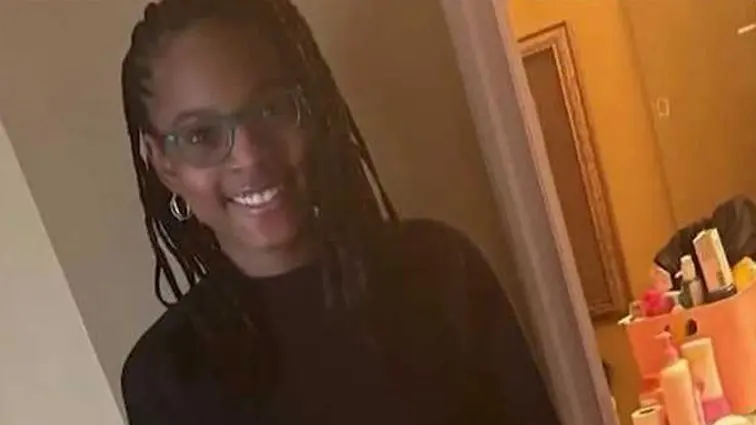 On September 22, 2025, Kanaiyah Ward, 16, died from an intentional overdose of diphenhydramine—the active ingredient in Benadryl—while residing at the Residence Inn by Marriott near Johns Hopkins Hospital in Baltimore. At the time of her death, Ward was in the custody of the Maryland Department of Human Services after her family sought placement in a residential treatment program to address her mental health needs and history of running away.
According to police reports and the subsequent DHS investigation, Ward had been assigned a contracted supervisor employed by Fenwick Behavioral Services, based in Towson. The contract required the supervisor to provide continuous one-on-one supervision with hourly checks on Ward. However, when a coworker called out sick, the single supervisor assigned to Ward was required to work a continuous 53-hour shift from Saturday at 10 a.m. until Monday at 3 p.m.—far exceeding safe staffing practices and professional supervision standards.
On the morning of September 22, the supervisor attempted to wake Ward for school around 5:45 a.m. but was unsuccessful. After leaving the room for several hours, the supervisor returned around 10:30 a.m. and found Ward unresponsive. An empty diphenhydramine bottle was discovered nearby. Despite emergency response efforts, Ward was pronounced dead. The Office of the Chief Medical Examiner confirmed her death as suicide by intentional overdose.
The Investigation: Findings of Negligence
In early January 2026, the Maryland Department of Human Services released its investigation report, obtained by multiple news outlets through public information requests. The investigation identified three staff members at Fenwick Behavioral Services as responsible for neglect in Ward's death.
The DHS findings documented critical failures in supervision and safety protocols:
- Fenwick assigned a single worker to a 53-hour continuous shift despite policies requiring constant supervision and prohibiting sleep during watch periods.
- The contracted supervision company failed to ensure medications were properly secured in a locked box, as required by their own policies and by state regulations.
- Supervisors approved the extended shift without adequate safeguards or backup support, placing an unrealistic burden on a single caregiver.
The report stated that "the neglect determination identified three individual staff members at Fenwick responsible for that neglect due to the failure to provide proper care and attention in ensuring Kanaiyah's safety, by approving the worker to provide supervision over a continuous 53-hour shift, and by failing to ensure that medications were properly secured in the hotel."
The findings were referred to the Baltimore City State's Attorney's Office for potential prosecution. On January 3, 2026, the State's Attorney announced that no criminal charges would be filed, citing insufficient evidence to prove criminal intent. However, the office acknowledged the tragedy: "While the evidence is insufficient to show the necessary intent to prove criminal neglect beyond a reasonable doubt, the fact remains that a vulnerable child tragically lost their life."
Fenwick's owner responded to the findings by stating the company would "fight this vigorously," claiming the company had not neglected any child in eight years of operation and that the owner intends to appeal the findings.
Systemic Context: A Larger Crisis
Kanaiyah Ward's death did not occur in isolation. Her death came just days after a scathing state audit of the Department of Human Services' Social Services Administration was released in September 2025—an audit that had documented many of the same failures evident in her case.
The audit found that the state agency:
- Failed to conduct adequate criminal background checks on providers and vendors interacting with children.
- Did not maintain a process to periodically cross-reference the state's Sex Offender Registry with DHS providers and staff, resulting in children being placed with individuals with known criminal histories.
- Over-relied on hotel placements for foster children, with some children remaining in hotels for up to two years in unlicensed, inappropriate settings.
According to The Washington Post, when the current administration took office, over 40 children were residing in hotels. Kanaiyah's case highlighted the dangers of this practice—a teenager with significant mental health needs, housed in a hotel room with inadequate supervision and access to over-the-counter medications.
Ward's family attorney, Thomas Doyle, emphasized that the state had few options for her care. "Five places turned her down, and she goes to a hotel," Doyle said. "I mean, that's absolutely ludicrous." He also noted that Ward's mother had been actively seeking help for her daughter's mental health needs and was not abandoning her. "The mom was actively trying to push DHS to get her into a facility that would help her," Doyle said.
This is Maryland's third consecutive unsatisfactory audit of the Social Services Administration—a pattern that underscores ongoing, systemic failures in foster care oversight and protection.
Legislative Response: Kanaiyah's Law
Directly responding to Ward's death and the audit findings, Maryland State Delegate Mike Griffith—himself a survivor who spent years in Maryland's foster care system beginning at age 12—has sponsored comprehensive reform legislation titled the "Never Again Act of 2025," commonly referred to as Kanaiyah's Law.
The legislation includes multiple accountability and safety provisions designed to prevent similar tragedies:
- Prohibition on Unlicensed Placements: Foster children cannot be placed in hotels, homeless shelters, office buildings, or other unlicensed settings without regular review and without licensed, appropriate alternatives.
- Mandatory Background Checks: All individuals who interact with foster children must undergo comprehensive criminal background checks to prevent placement of children with registered sex offenders or individuals with violent criminal histories.
- Training, Licensing, and Certification: Providers delivering one-on-one care must be trained, licensed, and certified—not casual contractors with no oversight.
- Ongoing Monitoring: The state is granted legal authority to conduct ongoing monitoring and background checks of adults residing with children placed in guardianship homes.
- Child Welfare Ombudsman: A new independent Child Welfare Ombudsman position will be established within the Attorney General's Office to investigate complaints, review DHS operations and policies, conduct unannounced site visits to facilities, and ensure children's rights and safety are upheld. This position has been proposed before—a decade ago—but did not pass.
Delegate Griffith emphasized the urgency of independent oversight: "When we first began discussing Kanaiyah's Law, we said that the bill would likely evolve as the crisis in DHS unfolded. With the gross negligence that is evident on seemingly every level of the foster care system, it is clear that independent oversight will be critical to guarantee the safety of the children in state care."
Republican members of the House have also called for the resignation of Human Services Secretary Rafael López, arguing that the repeated audit failures and policy violations demonstrate a lack of accountability and urgency at the leadership level. López issued a policy prohibiting hotel placements in October 2025—after Ward's death—raising questions about why such protective measures were not implemented sooner.
Immediate State Actions
In response to public outcry and legislative pressure, the Maryland Department of Human Services has taken several immediate actions:
- Discontinued Hotel Placements: In November 2025, DHS ended the practice of housing foster children in hotels. By late November 2025, all children previously in hotel placements had been transferred to licensed care settings, including kinship care, licensed foster homes, and congregate care facilities.
- Ended Fenwick Contract: DHS discontinued its relationship with Fenwick Behavioral Services two days after Ward's death.
- Policy Changes: DHS issued updated policies strengthening supervision requirements and medication security protocols.
A spokesperson for DHS confirmed: "There are no youths in hotels, shelters, or offices." However, challenges persist—shortly after the initial hotel placement ban, reporting indicated a child spent a night in a DHS office building, underscoring that systemic change requires more than policy statements.
Why This Matters: System, Prevention, and Child Safety
Kanaiyah Ward's death exposes critical gaps in how Maryland protects its most vulnerable children. Foster youth are often placed in state custody precisely because home environments have become unsafe. These are children who have already experienced abuse, neglect, or family instability and who deserve state care that prioritizes their safety and well-being.
Placing a troubled teenager—one with mental health challenges and a history of running away—in a hotel room with a single, exhausted supervisor represents a failure at every level: policy, implementation, and oversight. The audit findings showing that children had been placed with known sex offenders and that background check protocols were absent add another layer of concern about systemic protection failures.
The absence of a child welfare ombudsman—an independent voice accountable to vulnerable children rather than to the agency responsible for their care—meant there was no mechanism to flag these dangerous practices or advocate for system reform before tragedy struck.
Looking Forward: What Readers and Communities Can Do Now
Foster children in Maryland and across the country depend on mandated reporters, community members, and advocacy for their protection. If you work with children—as an educator, healthcare provider, coach, or community member—you are likely a mandated reporter. Understanding your responsibility to report suspected abuse or neglect is critical.
For those interested in supporting systemic reform, several steps can help:
- Support Kanaiyah's Law: Contact your state representative and senator to advocate for the "Never Again Act of 2025" (Kanaiyah's Law). Ask them to prioritize passage of this critical legislation.
- Engage with Oversight: When the Child Welfare Ombudsman position is established, support its work and encourage the agency to fully resource this critical independent voice.
- Advocate for Permanency: Support policies that prioritize moving children out of temporary, unstable placements and into permanent, loving homes—whether through reunification, kinship care, or adoption.
- Stay Informed: Monitor state audits, legislative action, and news coverage of foster care. Public awareness and community pressure are powerful drivers of accountability.
Reporting Abuse and Neglect
If you suspect a child is being abused or neglected, you have a responsibility to report. In Maryland, reports of child abuse or neglect should be made to the Maryland Department of Human Services' Child Abuse and Neglect Hotline or to local law enforcement. You can also contact your county's Department of Social Services.
If you are in crisis or having thoughts of suicide, help is available. The National Suicide Prevention Lifeline is available 24 hours a day by calling 988 or visiting suicidepreventionlifeline.org. If a child is in immediate danger, call 911.
Sources and Resources
- Maryland Department of Human Services DHS Investigation Report on Kanaiyah Ward. Released January 1, 2026; obtained by WBAL-TV 11, Baltimore Sun, and FOX45 News through Public Information Act requests.
- WBAL-TV 11 News, Fox Baltimore (WBFF), CBS Baltimore, Baltimore Sun. Coverage of DHS investigation findings, January 1-2, 2026.
- The Washington Post. "Maryland foster children removed from hotels following teen's death," November 25, 2025.
- TheBayNet. "House Republicans Issue Statement On Foster Care Audit, Issue Accountability Provisions for Kanaiyah's Law," October 29, 2025.
- State's Attorney Ivan Bates Office. Statement on decision not to prosecute in Kanaiyah Ward case, January 3, 2026.
- National Suicide Prevention Lifeline: Call or text 988 (24/7).
- Maryland Department of Human Services Child Abuse and Neglect Hotline: 1-800-422-4453.